

Weight Management: Effective Strategies for Healthy Weight Loss and Maintenance
Introduction
Weight management becomes increasingly crucial as we age, especially for individuals over 40. Maintaining a healthy weight is vital for overall well-being and longevity, as it can reduce the risk of chronic diseases, improve energy levels, and enhance quality of life. However, achieving and maintaining a healthy weight can be more challenging after 40 due to various physiological changes. In this comprehensive guide, we'll explore the unique challenges of weight management after 40 and provide effective strategies for healthy weight loss and long-term maintenance.
Understanding the Challenges of Weight Management Over 40
Metabolism Slows Down
One of the primary reasons weight management becomes more challenging after 40 is the natural slowdown of metabolism. Metabolism is the process by which our bodies convert food into energy. As we age, our metabolic rate decreases, leading to fewer calories being burned at rest. This slowdown can result in weight gain if dietary habits are not adjusted accordingly. Understanding how metabolism changes with age is essential for developing effective weight management strategies. This article shows how Boost Your Metabolism.

Hydration and Its Role in Weight Loss
Hydration is a crucial factor in effective weight loss, especially as we age. Proper hydration supports various bodily functions, including metabolism, digestion, and nutrient absorption, all of which are essential for maintaining a healthy weight. Drinking water helps to regulate metabolism, which can slow down over time, making it harder to shed extra pounds.
One of the key benefits of staying hydrated is its ability to promote satiety. Drinking water before meals can help you feel fuller, reducing the likelihood of overeating and aiding in portion control. Additionally, water can help flush out toxins and waste products, supporting overall health and well-being.
For optimal hydration, aim to drink at least eight 8-ounce glasses of water daily. Incorporating water-rich foods, such as fruits and vegetables, into your diet can also contribute to your hydration needs. Remember, staying hydrated is not just about drinking water but also about maintaining a balanced diet and healthy lifestyle. By prioritizing hydration, you can enhance your weight loss efforts and improve your overall health.
Hormonal functions in weight maintenance
It's important to understand the significant impact that hormonal changes have on weight management after 40. Hormones play a crucial role in regulating metabolism, appetite, and fat distribution. After 40, both men and women experience hormonal shifts that can make maintaining a healthy weight more challenging.
For women, menopause typically occurs between the ages of 45 and 55, bringing a decline in estrogen levels. This hormonal shift can lead to an increase in abdominal fat and a decrease in muscle mass, both of which contribute to a slower metabolism. Lower estrogen levels can also affect insulin sensitivity, making it more difficult to regulate blood sugar levels and increasing the risk of weight gain.
Men, on the other hand, experience a gradual decline in testosterone levels as they age. Testosterone is essential for maintaining muscle mass and regulating fat distribution. A decrease in testosterone can lead to a reduction in muscle mass, increased body fat, and a slower metabolic rate. Additionally, lower testosterone levels can contribute to fatigue and decreased motivation for physical activity, further complicating weight management efforts.
Thyroid function, which regulates metabolism, can also decline with age in both men and women. Hypothyroidism, or an underactive thyroid, becomes more common and can lead to weight gain, fatigue, and other metabolic issues.
In summary, hormonal changes after 40 significantly impact weight management by slowing metabolism, altering fat distribution, and affecting appetite regulation. Understanding these challenges is essential for developing effective strategies to maintain a healthy weight, including balanced nutrition, regular physical activity, and appropriate medical interventions.
Effective Strategies for Healthy Weight Loss
Balanced Diet
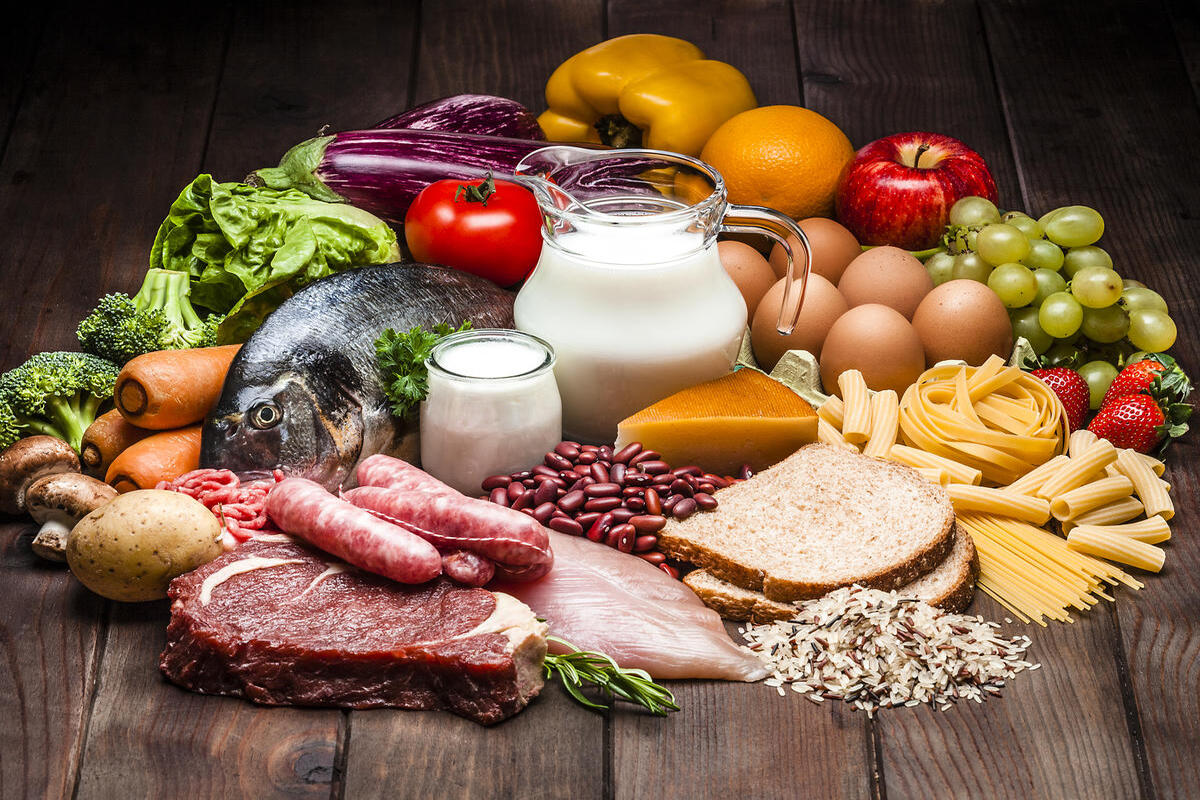
A balanced diet is foundational for healthy weight loss after 40. Focus on consuming nutrient-dense foods that provide essential vitamins and minerals while controlling calorie intake. Incorporate plenty of lean proteins, such as chicken, fish, beans, and legumes, to support muscle maintenance and promote satiety. Whole grains, fruits, vegetables, and healthy fats like avocados and nuts should also be part of your diet. Practicing portion control and being mindful of calorie intake can help manage weight effectively. Avoid processed foods, sugary snacks, and excessive alcohol consumption, as these can contribute to weight gain and hinder weight loss efforts.
Regular Physical Activity
Regular physical activity is crucial for weight loss and overall health, especially after 40. Combining both cardio and strength training exercises can maximize weight loss results. Cardiovascular exercises, such as walking, jogging, cycling, and swimming, help burn calories and improve cardiovascular health. Aim for at least 150 minutes of moderate-intensity cardio per week. Strength training exercises, like weightlifting, resistance band workouts, and bodyweight exercises, build and maintain muscle mass, boosting metabolism and aiding in weight loss. Aim to include strength training sessions at least two to three times per week.
Adequate Sleep
Sleep is often overlooked but plays a vital role in weight management. Poor sleep quality or insufficient sleep can disrupt hormonal balance, increase appetite, and reduce motivation for physical activity. Aim for 7-9 hours of quality sleep per night. To improve sleep, establish a consistent sleep schedule, create a relaxing bedtime routine, and limit exposure to screens before bed. A comfortable sleep environment and mindfulness practices, such as meditation or deep breathing exercises, can also enhance sleep quality and support weight loss efforts.
Maintaining Weight Loss Long-term
Consistent Routine
Maintaining a consistent routine is essential for long-term weight management. Establishing healthy habits and sticking to them can prevent weight regain and support overall well-being. Consistency in diet and exercise is key. Plan and prepare balanced meals ahead of time, schedule regular workouts, and set realistic goals. Tracking your progress and celebrating small achievements can keep you motivated and committed to your weight management journey.

Support Systems
Support systems play a crucial role in maintaining weight loss. Engaging with a healthcare professional, such as a doctor, nutritionist, or personal trainer, can provide personalized guidance and accountability. Joining a support group or finding a workout buddy can also offer motivation and encouragement. Surrounding yourself with a supportive community can make the weight management journey more enjoyable and sustainable.
Regular Health Check-ups
Regular health check-ups are important for monitoring progress and adjusting strategies as needed. Schedule routine visits with your healthcare provider to assess your overall health, discuss any concerns, and make necessary adjustments to your weight management plan. Regular check-ups can help identify potential health issues early and ensure that your approach to weight loss and maintenance remains effective and safe.
Conclusion
Weight management after 40 can be challenging, but with the right strategies, it is achievable and rewarding. Understanding the unique challenges, such as slowed metabolism, loss of muscle mass, and hormonal changes, can help tailor an effective weight loss plan. Adopting a balanced diet, engaging in regular physical activity, prioritizing sleep, and practicing mindful eating are essential for healthy weight loss. To maintain weight loss long-term, establish a consistent routine, seek support from healthcare professionals and communities, and schedule regular health check-ups.
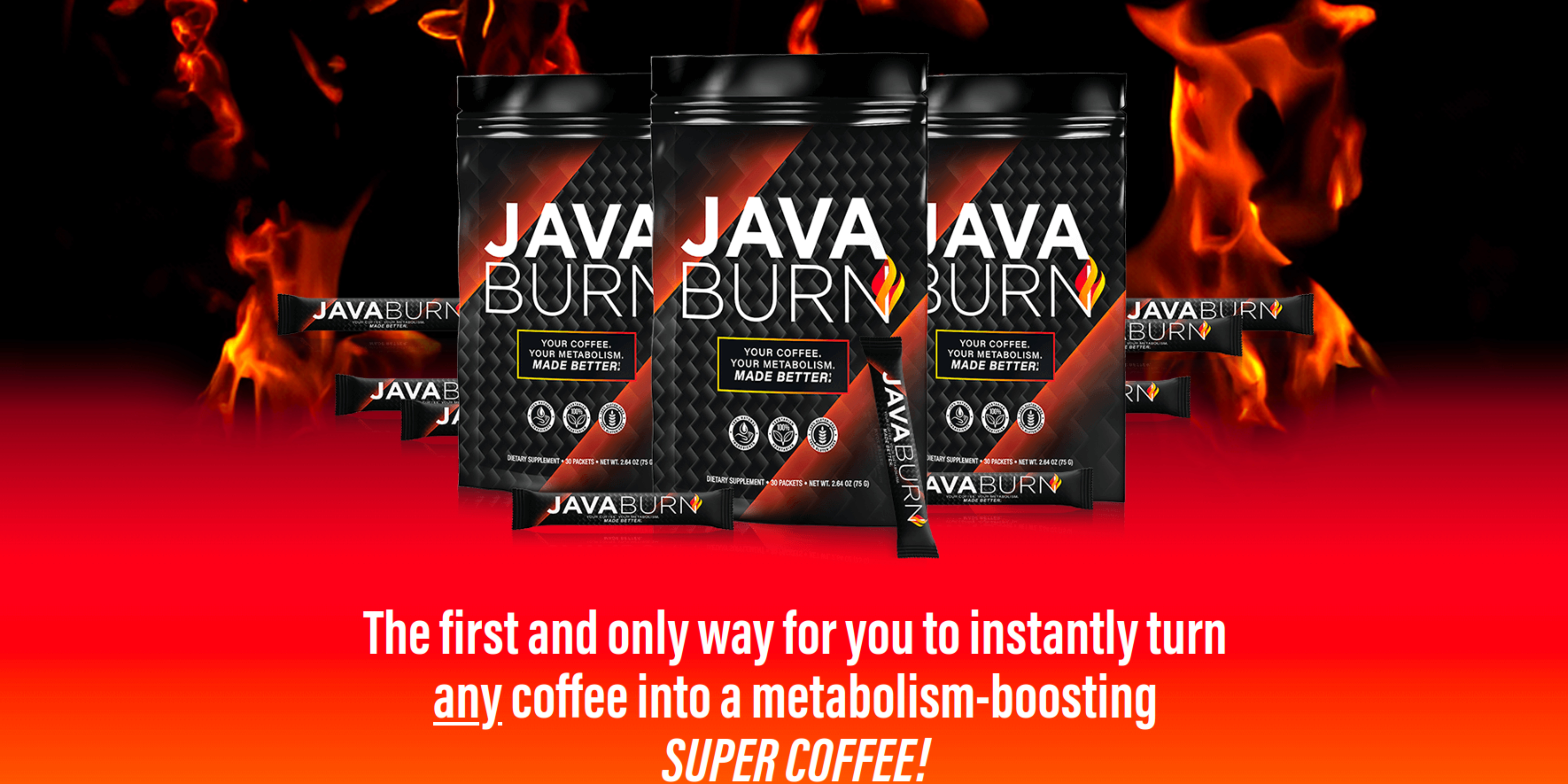
While the journey may have its obstacles, the benefits of achieving and maintaining a healthy weight are well worth the effort. Improved energy levels, reduced risk of chronic diseases, and enhanced quality of life are just a few of the rewards. For an added boost in your weight management journey, consider trying Java Burn, a product designed to support metabolism and weight management. Click on the banner to learn more and take the first step towards a healthier, happier you!
Wellness Warrior Guide
“Mens sana in corpore sano”
"Healt mind healt body"