

Stress Reduction Techniques: Various Methods to Reduce and Manage Stress, Including Meditation, Yoga, and Mindfulness
Introduction
Stress is an inevitable part of life, especially as we age and take on more responsibilities. For individuals over 40, stress can manifest in various ways, impacting physical health, mental well-being, and overall quality of life. Stress reduction techniques are essential tools for managing and alleviating the pressures of daily life. Among the most effective methods are meditation, yoga, and mindfulness. This comprehensive guide explores these techniques and provides practical advice on incorporating them into your routine for optimal stress management.
Understanding Stress and Its Effects
Stress is a natural response to challenging situations, but chronic stress can have detrimental effects on both the body and mind. When we encounter stressors, our bodies activate the fight-or-flight response, releasing hormones like adrenaline and cortisol. While this response is beneficial in short bursts, prolonged stress can lead to significant health issues.
The Science of Stress
The stress response system is designed to protect us from immediate threats. However, in modern society, stressors often persist, leading to chronic activation of this system. Chronic stress can cause a range of health problems, including hypertension, cardiovascular disease, and weakened immune function. Psychologically, it can contribute to anxiety, depression, and cognitive decline. A study published in the Journal of the American Medical Association (JAMA) highlights the link between chronic stress and cardiovascular diseases, emphasizing the need for effective stress management techniques .
Another study in the Journal of Clinical Psychiatry discusses how chronic stress impacts brain structure and function, potentially leading to long-term mental health issues .
Common Stress Triggers
Stress can stem from various sources, with some of the most common triggers being work, relationships, and financial concerns. Workplace stress is particularly prevalent, as job demands, deadlines, and interpersonal conflicts can create a high-stress environment. Relationship stress, whether from family, friends, or partners, also plays a significant role in overall stress levels. Financial stress is another major contributor, with worries about bills, debt, and future financial security causing significant anxiety. Research from the American Psychological Association shows that financial stress is a leading cause of stress in adults, impacting overall health and well-being .
Similarly, a study published in Stress and Health identifies work-related stress as a significant factor affecting mental health and job satisfaction .
Meditation: A Path to Inner Peace
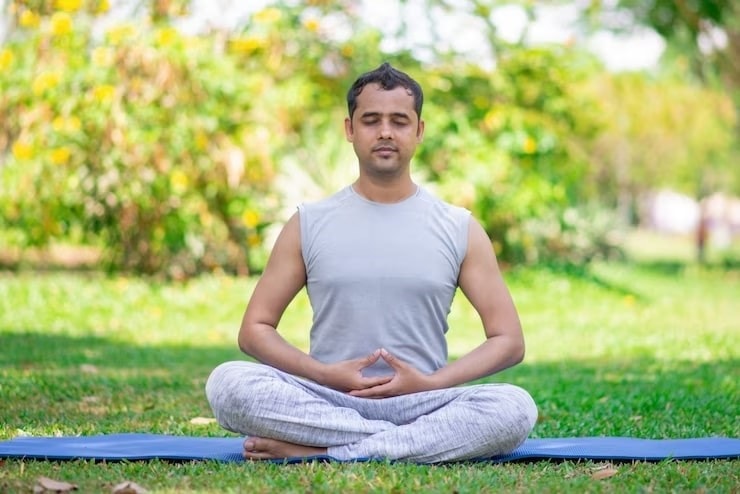
Meditation is a powerful stress reduction technique that promotes relaxation and mental clarity. By focusing the mind and eliminating distractions, meditation helps reduce stress levels and enhances emotional well-being.
Types of Meditation
There are various forms of meditation, each offering unique benefits:
Mindfulness Meditation: This practice involves focusing on the present moment and observing thoughts and sensations without judgment. It helps reduce stress by promoting a state of calm awareness.
Transcendental Meditation: This technique uses a mantra or repeated word to help the practitioner achieve a state of deep relaxation and restfulness.
Guided Visualization: This form of meditation involves visualizing calming and peaceful scenes, guided by a teacher or audio recording, to reduce stress and promote relaxation.
A study published in the Journal of Behavioral Medicine supports the effectiveness of mindfulness meditation in reducing stress and improving mental health .
How to Get Started with Meditation
Starting a meditation practice can seem daunting, but it’s quite simple with the right approach. Here are some practical tips for beginners:
Find a Quiet Space: Choose a quiet, comfortable place where you won't be disturbed.
Set a Time Limit: Begin with short sessions, such as 5-10 minutes, and gradually increase the duration as you become more comfortable.
Focus on Your Breath: Pay attention to your breathing, noticing each inhale and exhale. If your mind wanders, gently bring it back to your breath.
Use Guided Meditations: There are many apps and online resources that offer guided meditations, which can be helpful for beginners.
Consistency is key, so try to meditate at the same time each day to build a habit.
Yoga: Balancing Body and Mind
Yoga is an ancient practice that combines physical postures, breathing exercises, and meditation to promote overall well-being. It is particularly effective for stress reduction, as it helps balance the body and mind.

Yoga Styles for Stress Relief
Several styles of yoga are especially beneficial for reducing stress:
Hatha Yoga: This gentle style focuses on basic postures and breath control, making it ideal for beginners and those looking to relax.
Vinyasa Yoga: This style involves a series of poses that flow smoothly into one another, synchronized with the breath. It can be both calming and invigorating.
Restorative Yoga: This deeply relaxing style uses props to support the body in restful poses, promoting deep relaxation and stress relief.
A study published in the Journal of Alternative and Complementary Medicine found that practicing yoga can significantly reduce stress levels and improve overall mental health .
Practicing Yoga at Home
Practicing yoga at home is convenient and accessible with the right resources. Here’s how to get started:
Create a Comfortable Space: Designate a quiet area in your home for yoga practice, free from distractions.
Use Online Resources: There are many online platforms offering yoga classes for all levels. Websites like YouTube, Yoga with Adriene, and Glo provide guided sessions that you can follow along with.
Start with Basic Poses: Begin with simple poses such as Child's Pose, Downward Dog, and Cat-Cow to get comfortable with the practice.
Listen to Your Body: Pay attention to how your body feels and modify poses as needed to avoid injury.
Consistency is crucial, so try to practice yoga regularly to reap the full benefits.
Mindfulness: Living in the Present
Mindfulness is the practice of paying attention to the present moment with openness and without judgment. It is a powerful tool for stress reduction, as it helps individuals stay grounded and aware, reducing the impact of stressors.

The Benefits of Mindfulness
Practicing mindfulness regularly offers numerous emotional and physical benefits:
Reduced Anxiety and Depression: Mindfulness can help manage symptoms of anxiety and depression by promoting a calm, focused mind.
Improved Emotional Regulation: Mindfulness enhances the ability to manage and respond to emotions in a healthy way.
Better Physical Health: Regular mindfulness practice can lower blood pressure, reduce chronic pain, and improve sleep quality.
A study published in JAMA Internal Medicine found that mindfulness meditation programs can lead to small to moderate improvements in anxiety, depression, and pain .
Incorporating Mindfulness into Daily Life
Mindfulness can be integrated into everyday activities, making it a versatile stress reduction technique. Here are some practical examples:
Mindful Eating: Pay attention to the taste, texture, and smell of your food, savoring each bite.
Mindful Walking: Focus on the sensations of walking, such as the feeling of your feet touching the ground and the rhythm of your steps.
Mindful Working: Take regular breaks to breathe deeply and bring your attention back to the present moment, reducing work-related stress.
Incorporating these practices into your daily routine can help you stay present and reduce stress effectively.
Conclusion
Stress reduction techniques like meditation, yoga, and mindfulness offer powerful tools for managing stress, especially for individuals over 40. By understanding the science of stress and its effects, and incorporating these practices into daily life, you can enhance your physical and mental well-being. Explore these methods and find what works best for you, and consider consulting a qualified professional for personalized guidance.
For those looking for a practical and easy program to elevate mood and normalize dysfunctional mental states, consider exploring the offerings from Brainwave Research UK. Their brainwave guidance therapy can be an excellent addition to your stress reduction toolkit. Remember, taking proactive steps to manage stress is essential for maintaining a healthy, balanced life.
