
Pilates for Core Strength: Pilates Exercises that Strengthen the Core and Improve Overall Stability
Introduction
As we age, maintaining core strength and stability becomes increasingly important for overall health and well-being. Pilates, a form of exercise that focuses on core strength, flexibility, and controlled movements, has gained popularity among fitness enthusiasts, particularly those over 40. This blog post will explore the concept of Pilates, its benefits for core strength and stability, and provide detailed instructions on specific Pilates exercises that can help you strengthen your core and improve your overall stability.
What is Pilates?
The Origins of Pilates
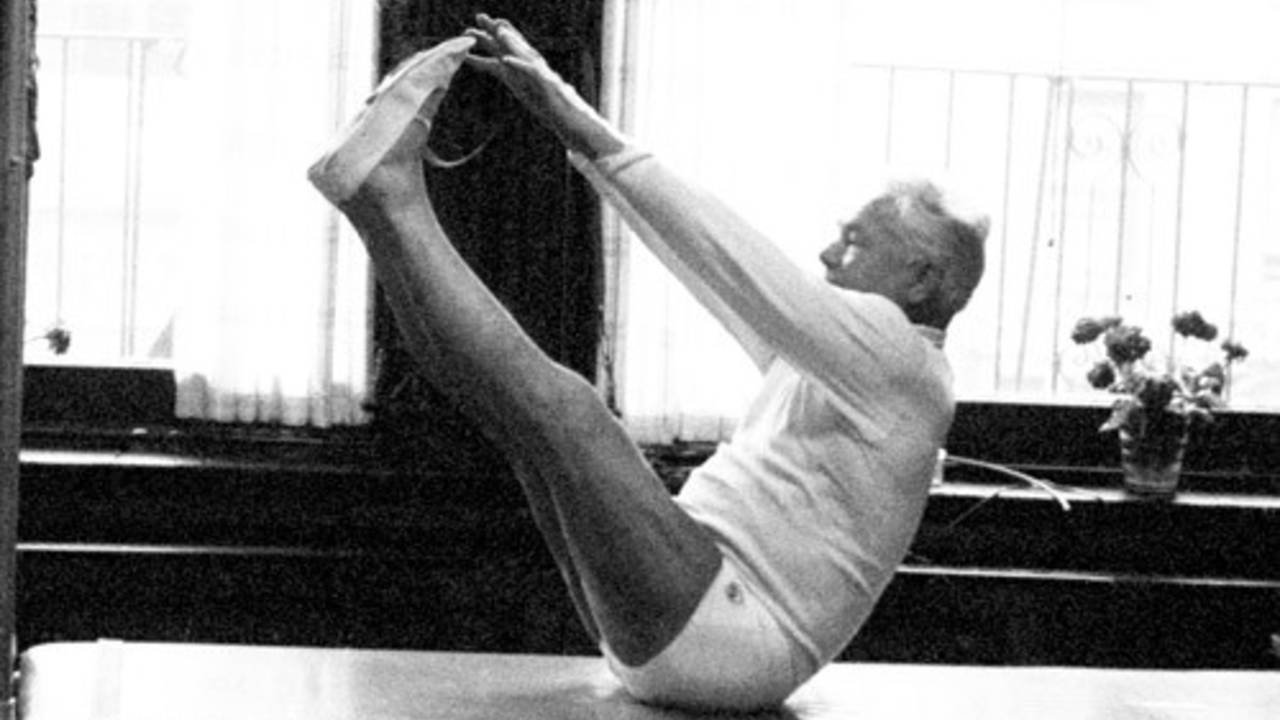
Pilates, developed by Joseph Pilates in the early 20th century, was initially used for rehabilitation purposes. Joseph Pilates was a physical trainer who devised this method to help injured athletes and dancers safely return to exercise and maintain their fitness. His approach focused on controlled movements that emphasize alignment, breathing, and developing a strong core, which he called the "powerhouse." Over time, Pilates has evolved into a widely practiced fitness regimen that promotes physical strength, flexibility, and mind-body awareness.
Core Principles of Pilates
Pilates is based on six fundamental principles: concentration, control, centering, precision, breath, and flow.
Concentration: Focus on each movement to ensure proper form and maximize effectiveness.
Control: Execute movements with control to prevent injury and enhance muscle engagement.
Centering: Engage the core muscles to provide stability and strength for all movements.
Precision: Perform exercises with precise movements to target specific muscles and improve efficiency.
Breath: Coordinate breathing with movements to enhance oxygen flow and support muscle engagement.
Flow: Move smoothly and gracefully through exercises, maintaining a continuous flow.
These principles distinguish Pilates from other forms of exercise by emphasizing mindful movement and core engagement.
The Importance of Core Strength
A strong core is essential for overall body stability, balance, and injury prevention. The core muscles include the abdominal muscles, lower back muscles, and muscles around the pelvis. Strengthening these muscles improves posture, reduces the risk of back pain, and enhances overall physical performance. Pilates exercises specifically target the core, making it an effective workout for building core strength and stability.
The Hundred
The Hundred is a fundamental Pilates exercise that engages the core and warms up the body.
Steps to Perform The Hundred:
1 - Lie on your back with your knees bent and feet flat on the floor.
2 - Lift your head, neck, and shoulders off the mat, reaching your arms forward.
3 - Extend your legs to a 45-degree angle, or keep them bent if you’re a beginner.
4 - Pump your arms up and down while inhaling for five counts and exhaling for five counts.
5 - Repeat for a total of 100 pumps.
Benefits: The Hundred increases circulation, warms up the body, and engages the core muscles.
Modifications: Beginners can keep their knees bent and feet on the floor, gradually increasing the difficulty as they build strength.
Roll-Up
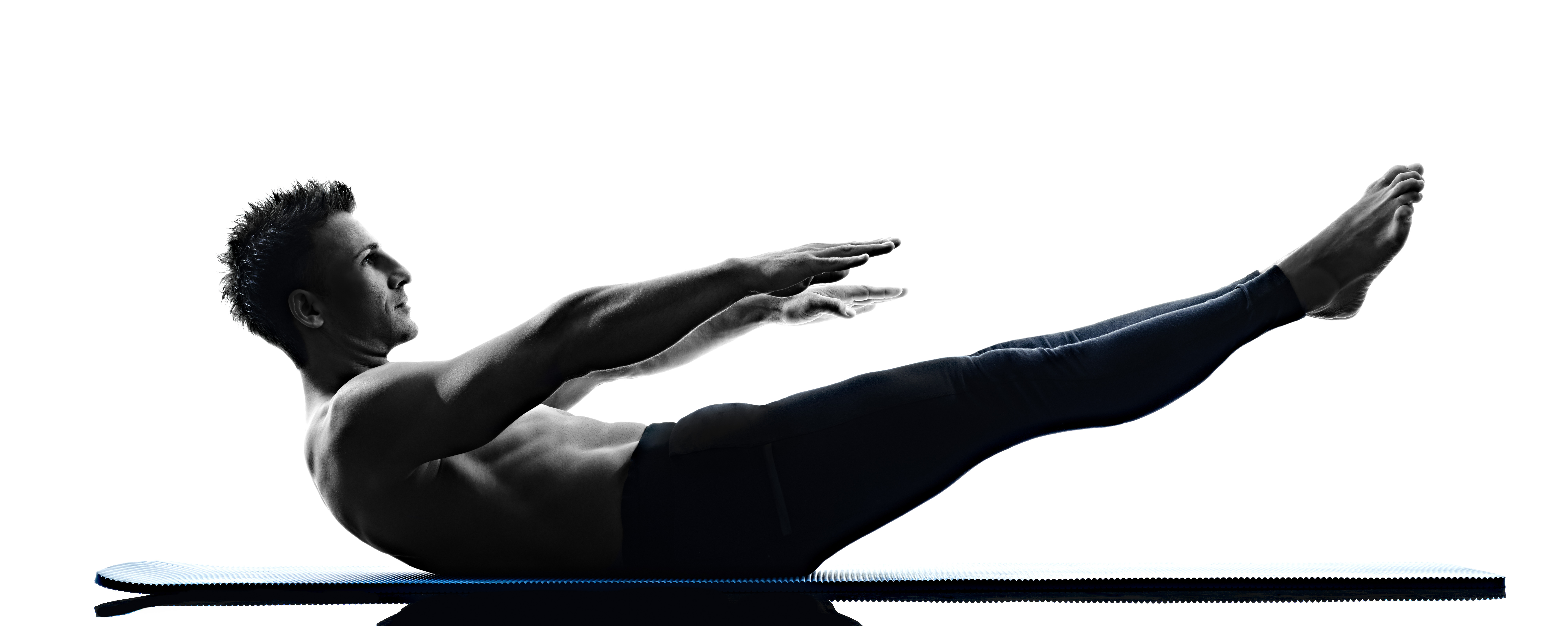
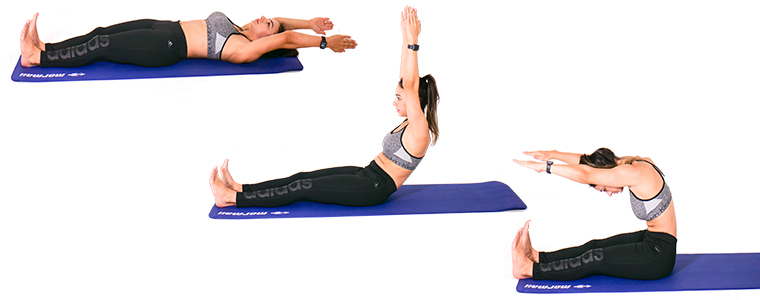
The Roll-Up is an effective exercise for strengthening the abdominal muscles and improving flexibility.
Steps to Perform the Roll-Up:
1 - Lie on your back with your legs extended and arms reaching overhead.
2 - Inhale, lift your arms toward the ceiling, and then exhale as you slowly roll up to a seated position, reaching for your toes.
3 - Inhale as you begin to roll back down, and exhale as you return to the starting position.
Benefits: The Roll-Up strengthens the abdominals, improves spinal flexibility, and enhances overall core stability.
Tips for Proper Form: Move slowly and with control, keeping your movements smooth and fluid. Avoid using momentum to complete the exercise.
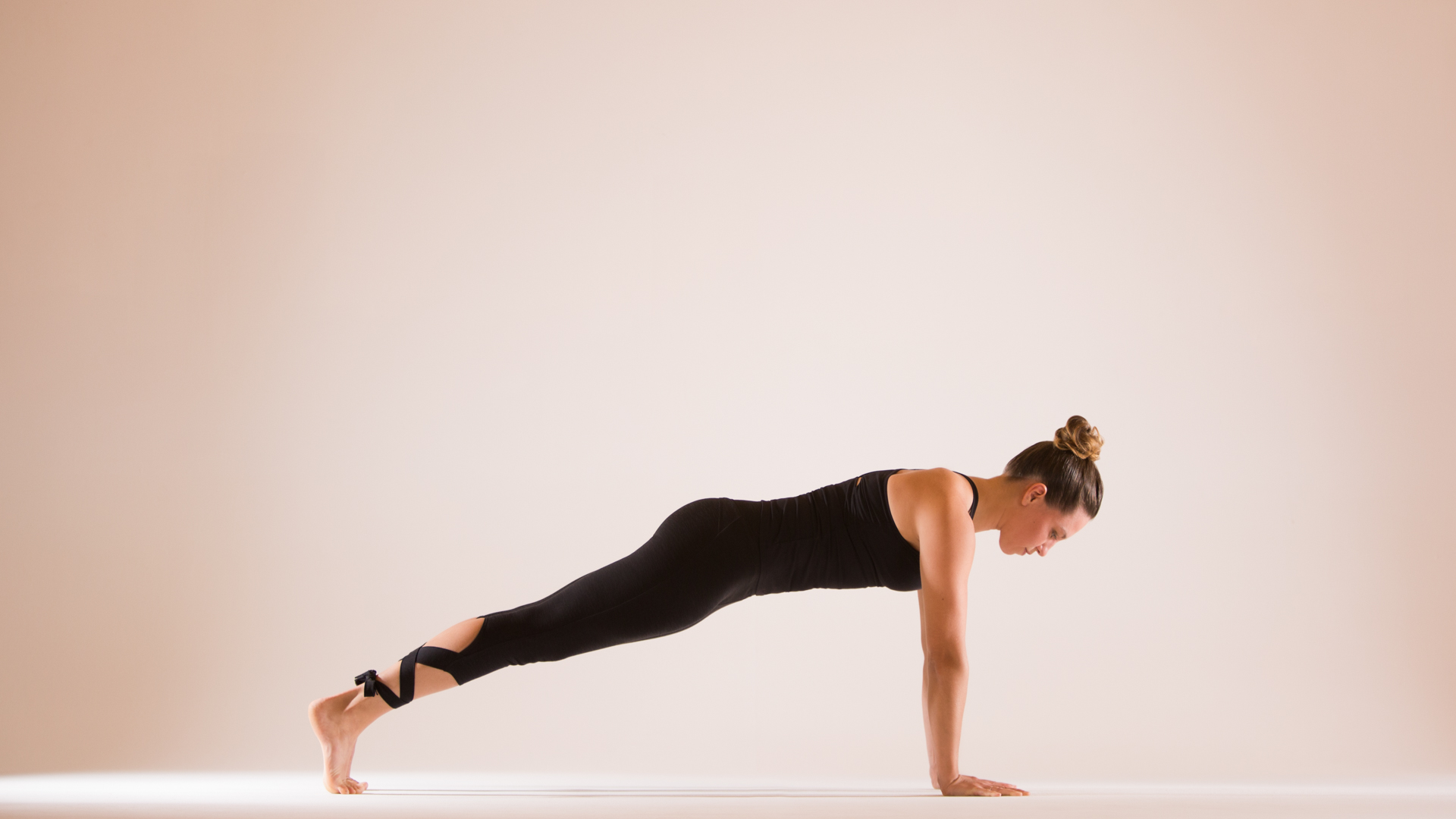
Plank
The Plank is a powerful core exercise that also strengthens the shoulders, arms, and legs.
Steps to Perform the Plank:
1 - Start in a push-up position with your hands directly under your shoulders.
2 - Engage your core and keep your body in a straight line from head to heels.
3 - Hold the position for 30 seconds to 1 minute, maintaining proper form throughout.
Benefits: The Plank builds core strength, enhances stability, and strengthens the entire body.
Variations: Try side planks, forearm planks, or planks with leg lifts to add variety and challenge different muscle groups.
Leg Circles
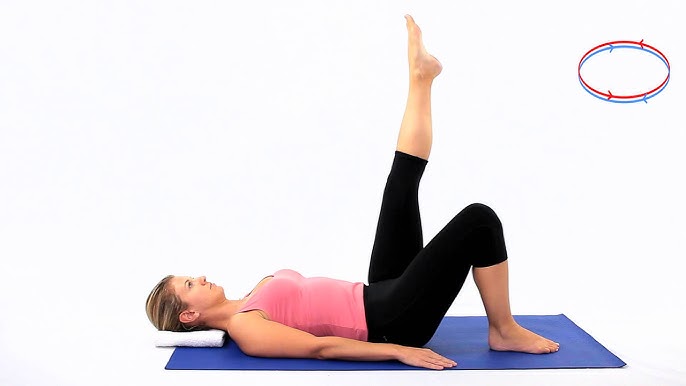
Leg Circles target the lower abdominals and hip muscles, improving core strength and flexibility.
Steps to Perform Leg Circles:
1 - Lie on your back with your arms by your sides and one leg extended toward the ceiling.
2 - Circle your leg outward, keeping your hips stable, and then reverse the direction.
3 - Repeat for 10-12 circles in each direction, then switch legs.
Benefits: Leg Circles strengthen the lower abdominals, improve hip mobility, and enhance core stability.
Modifications: Beginners can bend the opposite knee and keep the foot flat on the floor for added stability.
Criss-Cross
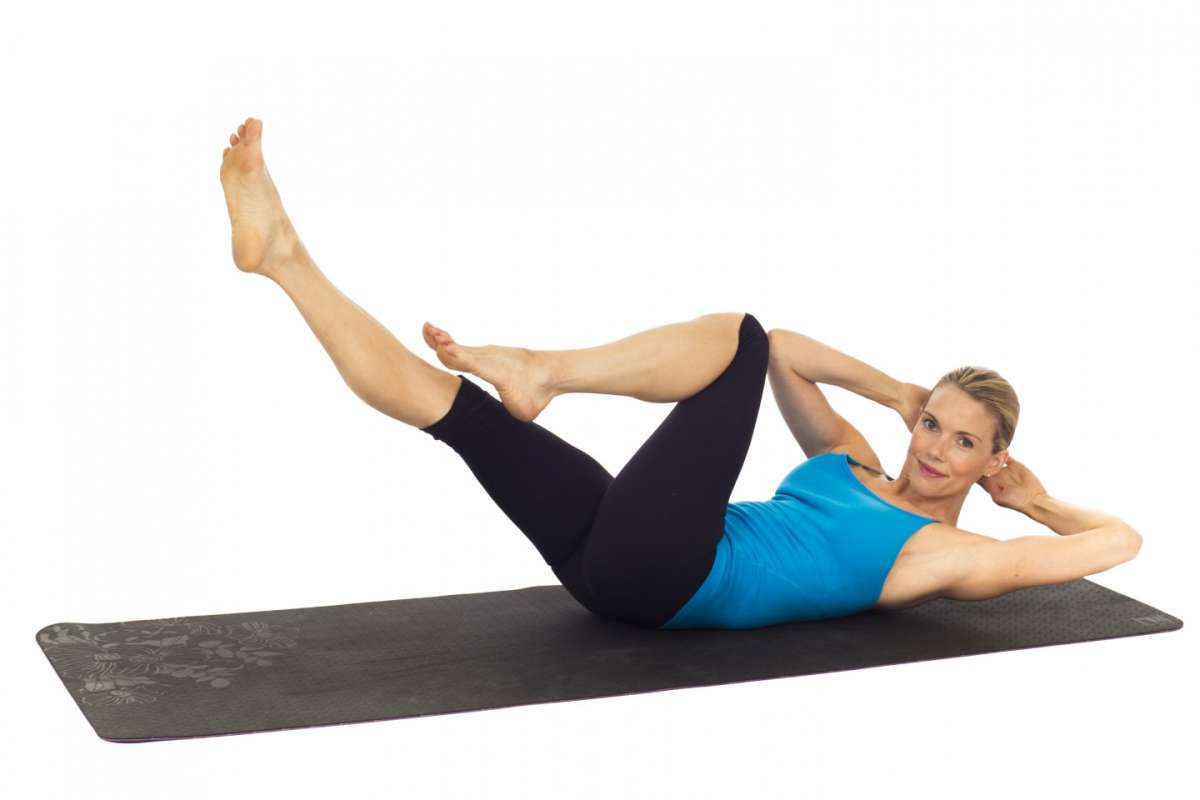
The Criss-Cross is an effective exercise for targeting the obliques and improving rotational stability.
Steps to Perform Criss-Cross:
1 - Lie on your back with your knees bent and hands behind your head.
2 - Lift your head, neck, and shoulders off the mat and bring one knee toward your chest while extending the opposite leg.
3 - Twist your torso to bring the opposite elbow toward the knee, then switch sides.
4 - Continue alternating sides for 10-12 repetitions.
Benefits: Criss-Cross strengthens the obliques, enhances rotational stability, and engages the entire core.
Alignment Tips: Keep your elbows wide, avoid pulling on your neck, and focus on twisting from the waist.
Incorporating Pilates into Your Fitness Routine
Integrating Pilates exercises into your regular fitness schedule can provide a balanced and effective workout routine. Here are some tips for incorporating Pilates into your fitness plan:
Creating a Balanced Workout Plan
Combining Pilates with other forms of exercise, such as cardio and strength training, can create a comprehensive fitness routine. Aim for a mix of cardiovascular exercises (like walking, jogging, or cycling), strength training (using weights or resistance bands), and Pilates exercises to build a well-rounded workout plan. This combination will help you improve overall fitness, enhance core strength, and maintain a healthy weight.
Tips for Beginners
If you're new to Pilates, start slowly and focus on mastering the basic exercises and principles. Here are some practical tips for beginners:
Start Slowly: Begin with foundational exercises and gradually progress to more advanced movements as you build strength and confidence.
Focus on Form: Prioritize proper form and technique over the number of repetitions. This will help you avoid injury and maximize the benefits of each exercise.
Seek Guidance: Consider taking classes with a certified Pilates instructor to learn the correct form and receive personalized feedback. Online tutorials and videos can also be helpful resources.
Conclusion
Pilates is an excellent exercise method for strengthening the core and improving overall stability, particularly for individuals over 40. By understanding the origins and principles of Pilates and incorporating specific exercises like The Hundred, Roll-Up, Plank, Leg Circles, and Criss-Cross into your routine, you can enhance your core strength and stability. Additionally, combining Pilates with other forms of exercise and following tips for beginners can create a balanced and effective fitness plan.
The importance of core strength cannot be overstated, as it contributes to better posture, reduced risk of injury, and improved overall physical performance. We encourage you to try Pilates and experience its benefits for yourself. Share your experiences and progress with others, and remember, consistency is key.
For those looking to enhance their fitness journey further, consider exploring "Unlock Your Hip Flexors," a practical, easy-to-follow program designed to release your hip flexors for more strength, better health, and increased energy throughout the day. Click on the banner to learn more and take the next step in your fitness journey!

Wellness Warrior Guide
“Mens sana in corpore sano”
"Healt mind healt body"