

Functional Fitness Exercises: Workouts that enhance everyday movements and improve overall physical function.
Introduction
As we age, maintaining physical fitness becomes increasingly important, not just for appearance, but for quality of life. For those over 40, the concept of functional fitness is especially valuable. Functional fitness exercises focus on movements that we perform in our daily lives, enhancing our ability to carry out everyday tasks with ease and reducing the risk of injury. Unlike traditional training, which often isolates muscle groups, functional fitness emphasizes integrated, compound movements that improve overall physical function. This approach is not only effective in building strength and endurance but also crucial for maintaining mobility and independence as we age.
What is Functional Fitness?
Functional fitness is a type of exercise that prepares the body for real-life movements and activities. Its primary objective is to enhance everyday movements, making daily tasks easier and more efficient. This is achieved by mimicking the motions we go through in our daily lives, such as bending, lifting, and reaching, but with added resistance or intensity to build strength and stability. The goal is to improve overall physical capabilities, including balance, coordination, and flexibility, which are essential for a healthy, active lifestyle, especially for adults over 40.
Enhancing Everyday Movements
One of the main benefits of functional fitness exercises is their ability to mimic and improve daily activities. For instance, exercises like squats and lunges replicate the actions of sitting down and standing up, or bending down to pick something up. By practicing these movements in a controlled, repetitive manner, we can enhance our performance in these tasks, making them easier and safer. This is particularly important for older adults, who may experience a decline in muscle strength and coordination over time. Functional fitness exercises can help counteract these effects, promoting greater independence and reducing the risk of falls and injuries.
Increasing Core Stability and Strength
Core strength is a critical component of functional fitness. The core muscles, which include the abdominals, lower back, and pelvis, are responsible for stabilizing the body during movement. A strong core not only supports better posture but also helps prevent back pain and other injuries. Functional fitness exercises often target the core by incorporating movements that require balance and stability. For example, exercises like planks, deadlifts, and rotational movements engage the core muscles, building strength and endurance. This, in turn, enhances overall physical function and performance in daily activities.
Key Functional Fitness Exercises
Incorporating functional fitness exercises into your routine can significantly improve your strength, stability, and mobility. Here are some of the most effective exercises to include:
Squats
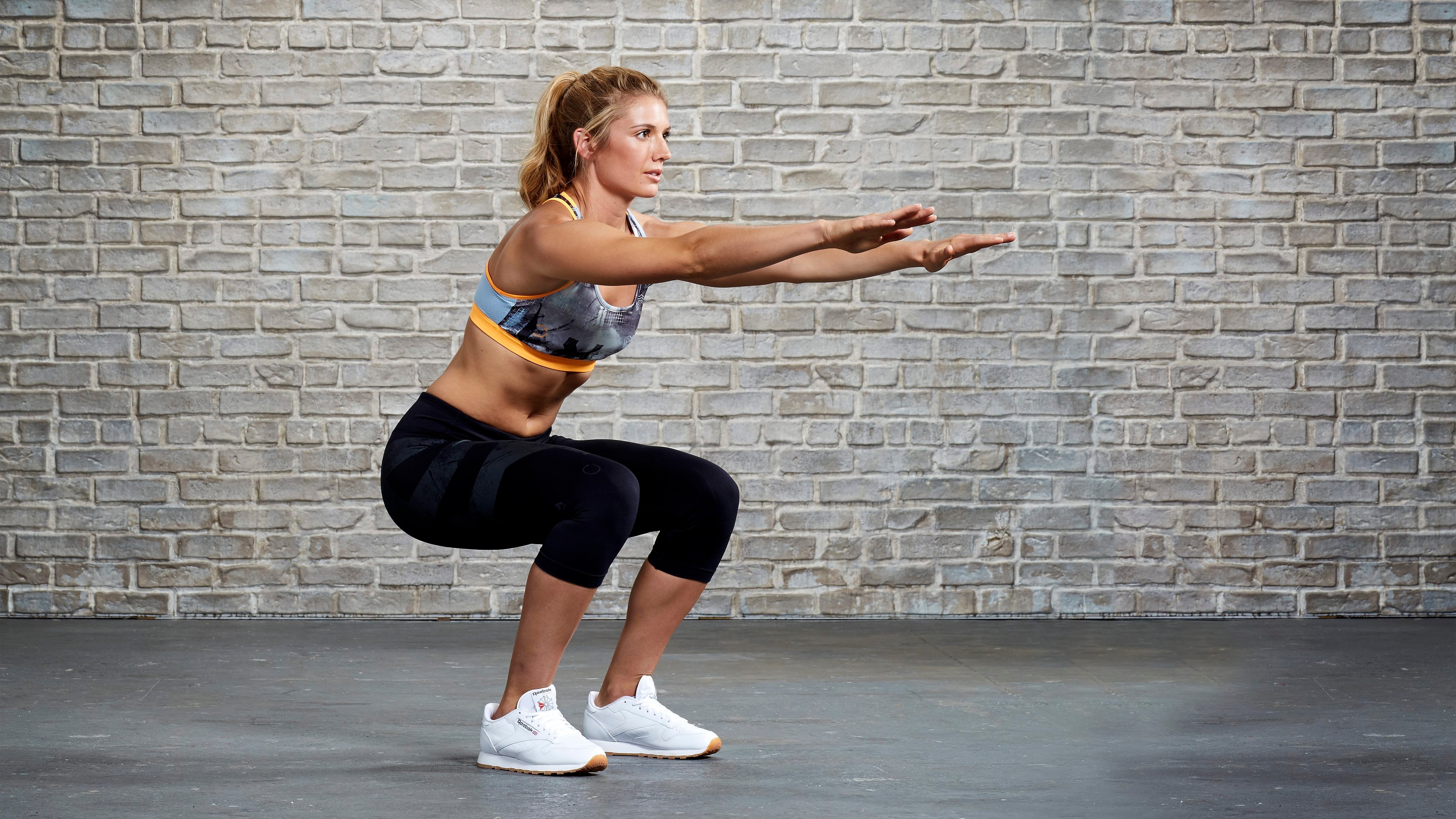
Squats are a fundamental functional fitness exercise that targets the lower body, particularly the quadriceps, hamstrings, and glutes. They also engage the core for stability. To perform a basic squat:
Stand with feet shoulder-width apart.
Lower your body as if you are sitting back into a chair, keeping your chest up and knees behind your toes.
Return to the starting position by pushing through your heels.
Variations like goblet squats, where you hold a weight close to your chest, and single-leg squats can add intensity and challenge your balance.
Deadlifts
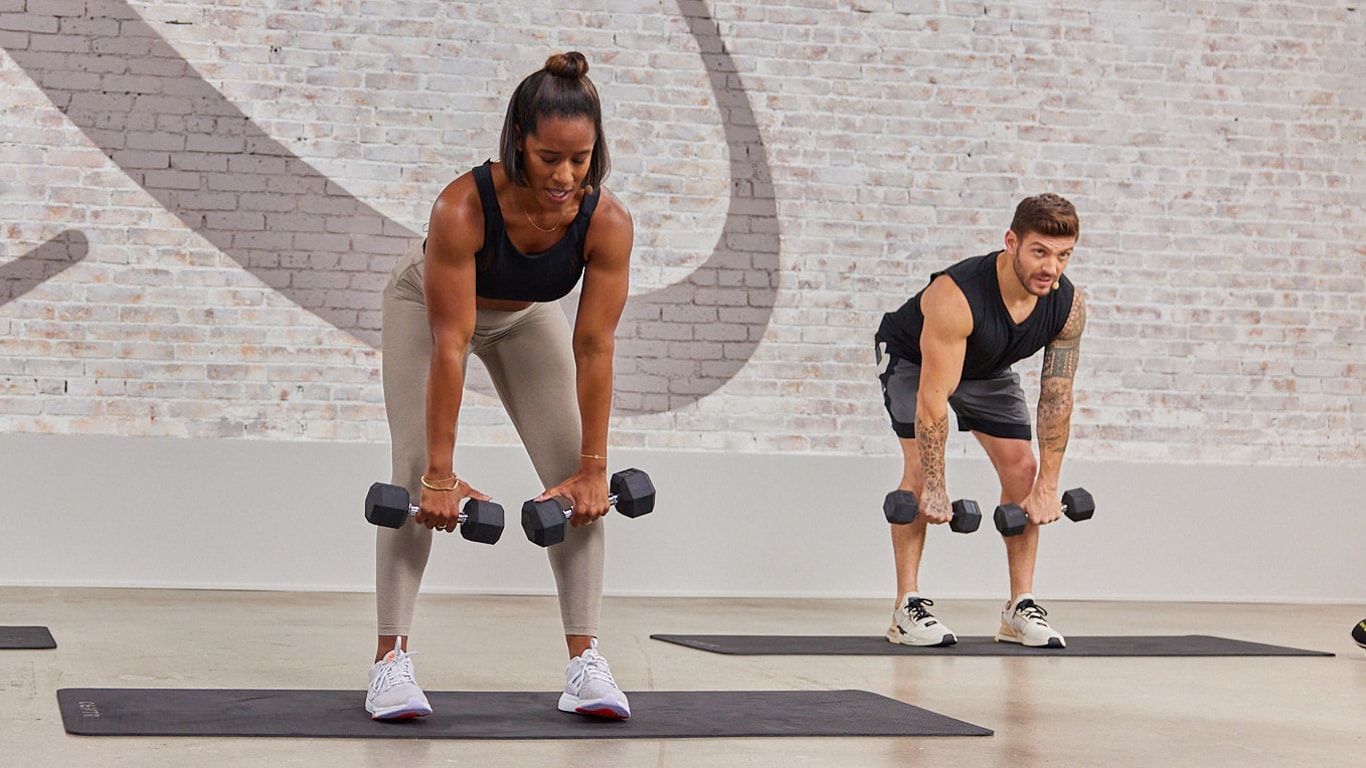
Deadlifts are excellent for developing overall strength and stability, particularly in the posterior chain (the muscles along the back of your body). Proper form is crucial to avoid injury:
Stand with feet hip-width apart, holding a barbell or dumbbells in front of your thighs.
Hinge at the hips, keeping your back straight, and lower the weight towards the ground.
Return to the starting position by engaging your glutes and hamstrings.
Deadlifts not only build muscle but also improve functional movement patterns like bending and lifting.
Lunges
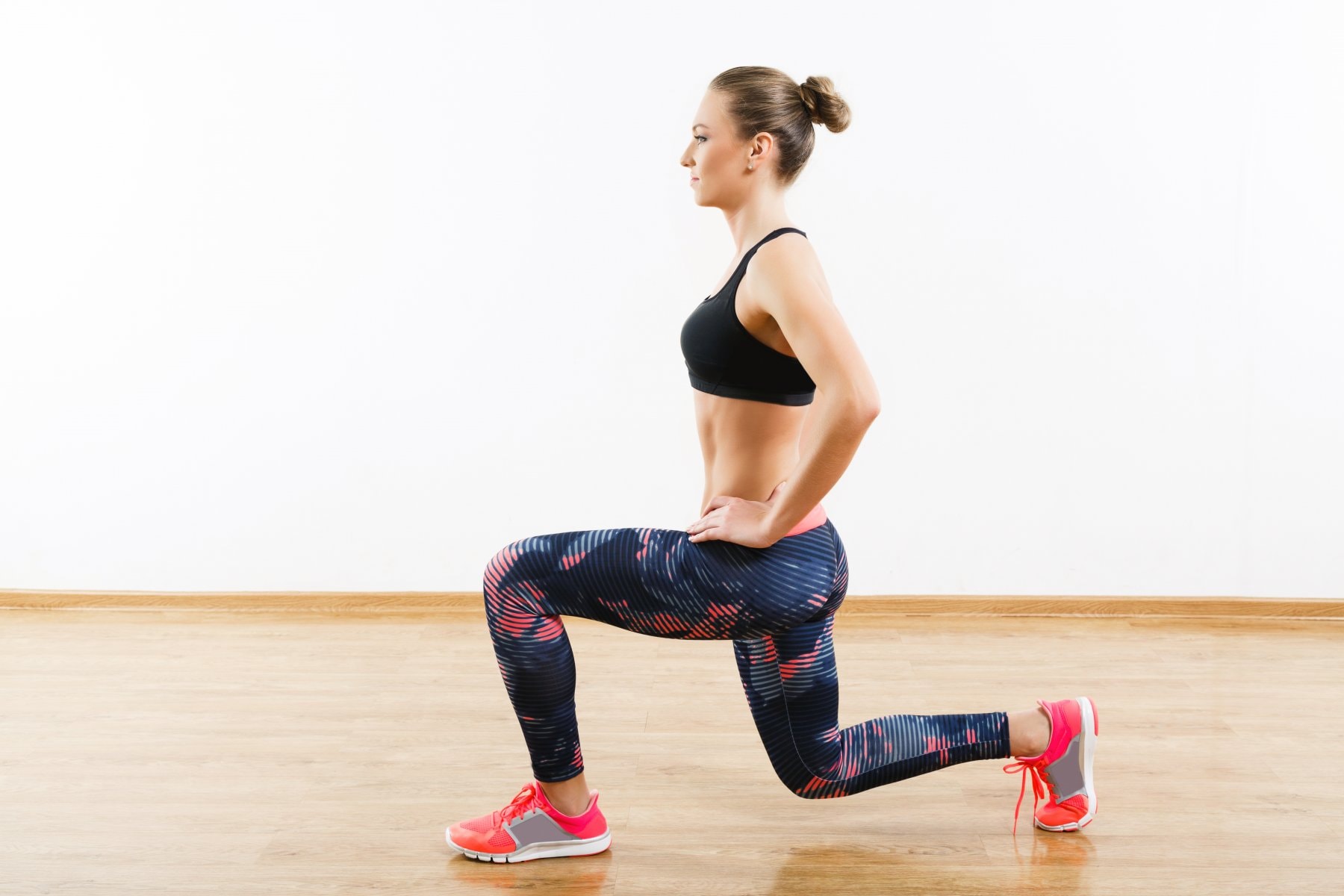
Lunges are great for improving balance, coordination, and lower body strength. They can be performed in various directions to target different muscle groups:
Forward Lunges: Step forward with one leg, lowering your body until both knees are at 90-degree angles. Push back to the starting position.
Reverse Lunges: Step backward with one leg and lower into a lunge position, then return to the start.
Lateral Lunges: Step to the side and lower your body over one leg, keeping the other leg straight, then return.
Each variation challenges different aspects of balance and coordination, making lunges a versatile addition to any functional fitness routine.
Creating a Functional Fitness Routine
Designing a functional fitness routine tailored to your needs and fitness level is essential for maximizing benefits. Here’s how to get started:
Assessing Your Fitness Level
Before starting any new exercise program, it’s important to assess your current fitness level. This can help you identify areas of strength and weakness, allowing you to tailor your routine accordingly. Simple assessments, such as checking your ability to perform basic movements (like squats, lunges, and planks) with good form, can provide valuable insights. Consulting with a fitness professional can also help ensure you start at an appropriate level and progress safely.
Incorporating Variety and Progression
Variety is key to a successful functional fitness program. Incorporating different exercises keeps the routine interesting and engages various muscle groups, preventing plateaus. It’s also important to progressively increase the difficulty of your workouts by adding more weight, increasing repetitions, or trying more challenging variations. This progression helps continuously challenge your muscles and improve your physical capabilities.
Conclusion
Incorporating functional fitness exercises into your daily routine is essential for improving overall physical function, enhancing everyday movements, and maintaining independence, especially for adults over 40. By focusing on movements that mimic daily activities, functional fitness helps build strength, stability, and mobility, reducing the risk of injury and promoting a healthier, more active lifestyle. Remember to assess your fitness level, incorporate variety, and seek guidance from a qualified professional to ensure a safe and effective program.
Functional fitness exercises are a powerful tool for enhancing your quality of life. To further support your journey towards better health and functional fitness, consider exploring the "Unlock Your Hip Flexors" program. This practical, easy-to-follow program can help you release your hip flexors for more strength, better health, and increased energy. Take the first step towards a stronger, healthier you today!
